When Horror Became Human: Revisiting Three Films from 1960
March 10, 2026 · 5 min read
For the past year, I’ve been collecting 4K Blu-rays—partly for the itch of owning my own stuff, and partly to watch movies in the highest quality possible. On a nice QD-OLED, the level of detail you get from these old scans is incredible.
As part of that hobby, I ended up picking up three essential horror films that, oddly enough, were all released in the same year: 1960.
- Psycho, directed by Alfred Hitchcock
- Peeping Tom, directed by Michael Powell
- Eyes Without a Face (Les Yeux Sans Visage), directed by Georges Franju
What’s interesting is that none of these movies rely on monsters in the traditional sense. The horror comes entirely from people.
If I’m being honest, I wouldn’t recommend these movies to most people. They feel "outdated" by modern horror standards—the pacing is slower, the acting is more theatrical, and there are no real jump scares. But if you’re into horror, or just want to experience something that feels like a time capsule of the 60s, they’re absolutely worth watching.
Warning: This post contains spoilers for all three movies. If you haven’t seen them, I recommend watching them first before reading on.
Psycho: The Cultural Juggernaut
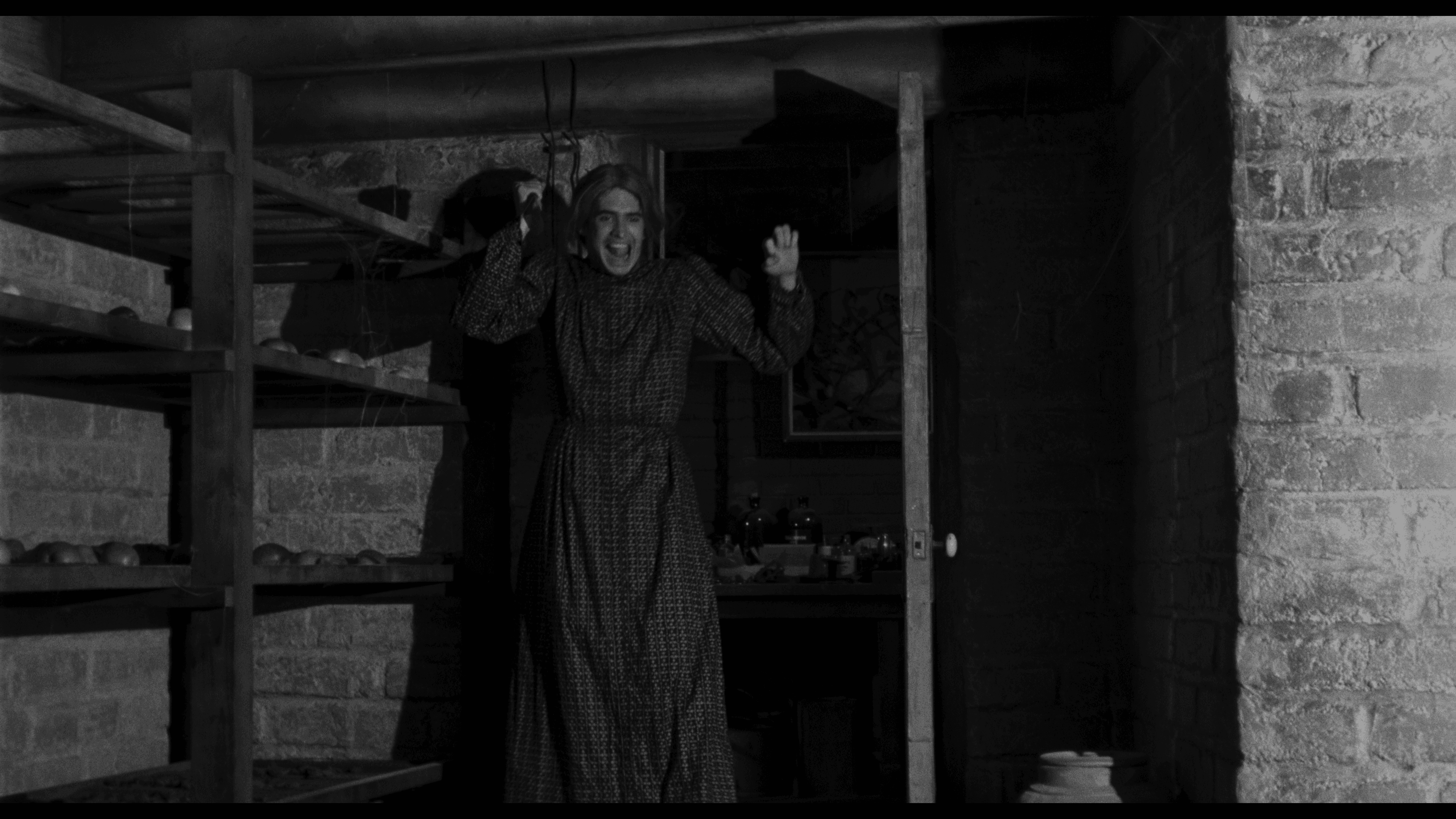
I’ll start with Psycho, the most well-known of the three. It’s the entry point for most people.
What stands out most to me is how the movie shifts its perspective halfway through. You spend the first act following a character you think is the protagonist, only for her to be killed off suddenly. It forces the story in a completely different direction. While the shower scene might not hit with the same visual shock today, the concept of losing your "anchor" in the story is still brilliant.
The film is black and white, has a legendary score, and feels like the most accessible of the trio. There’s nothing supernatural here; it’s just Norman’s psyche and his obsession with his mother. That lack of monsters makes it feel more real—and more uncomfortable.
Peeping Tom: The Tragic POV
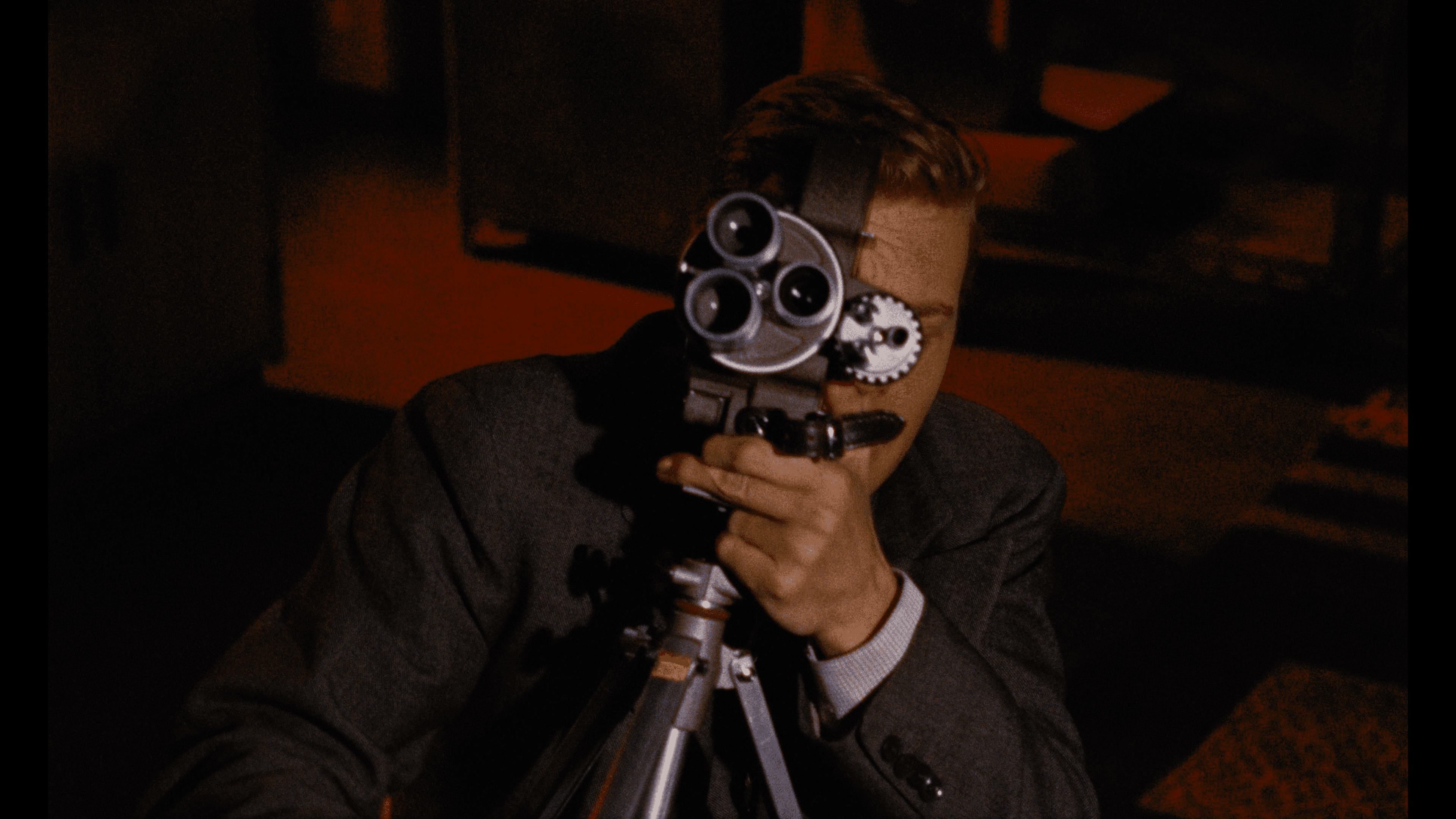
The second movie is Peeping Tom, which is actually my favorite of the three. While Psycho was a massive hit, this movie effectively destroyed Michael Powell’s career at the time because it was considered too "filthy." From a modern perspective, though, they don’t feel that different.
Peeping Tom isn't just about a killer; it’s about the act of watching.
The protagonist, Mark, is obsessed with filming people and even uses his camera toolkit as a weapon. But the real impact comes from the perspective. You aren't just watching him; the cinematography forces you to watch with him.
Mark is a deeply flawed, "lowkey sad" person shaped by a messed-up upbringing. He tries to connect with people, but he’s so awkward and damaged that he knows he can't. It’s a very unique, uncomfortable vibe that basically laid the groundwork for the slasher genre.
Eyes Without a Face: The Surgical Nightmare

I originally discovered this movie through the Billy Idol song. I learned he wrote the track just because he liked the title of the film, and after watching it, I can see why the imagery stuck with him.
While Peeping Tom feels tragic, Eyes Without a Face feels haunting. The "villain" is a successful doctor, fully integrated into society, yet he is doing something horrific in his basement. The movie doesn't focus on "scares" as much as the misery of his daughter, Christiane. She’s forced to wear a frozen white mask because her father is obsessed with "fixing" her face at the expense of other women.
The surgery scene is exactly what it sounds like—a medical procedure. But the "weird horror" comes from how routine and cold it feels. There’s no dramatic music or frantic editing; it’s just a clinical, gross operation that you’re forced to sit through. It makes you feel this intense pity for Christiane, who is just trapped in the middle of this experiment like a bird in a cage. It’s a very specific, uncomfortable vibe that's hard to explain, but it’s cool as hell.
Influence on Modern Horror
You can see the DNA of these three movies everywhere in modern cinema:
- Narrative Shifts: Psycho proved you can kill your lead and keep the audience hooked.
- The Killer's Lens: Peeping Tom turned the camera into a weapon and pioneered the "killer’s POV" that would eventually lead to found footage and slashers.
- Atmospheric Dread: Eyes Without a Face leans into that quiet, disturbing atmosphere that modern "elevated horror" movies use today.
Final Thoughts
Looking at all three together, the most striking thing is the lack of monsters. There are no creatures or supernatural forces—just humans and their obsessions.
Each movie shows a different version of that human horror: someone detached from reality, someone aware of their sickness but unable to change, and someone "respectable" doing horrific things for their own goals.
The danger isn’t something out there.
It’s us.